When the Heat Stops Working Overnight
Heating repair in Sacramento for furnaces that won't ignite, short cycle, or produce heat
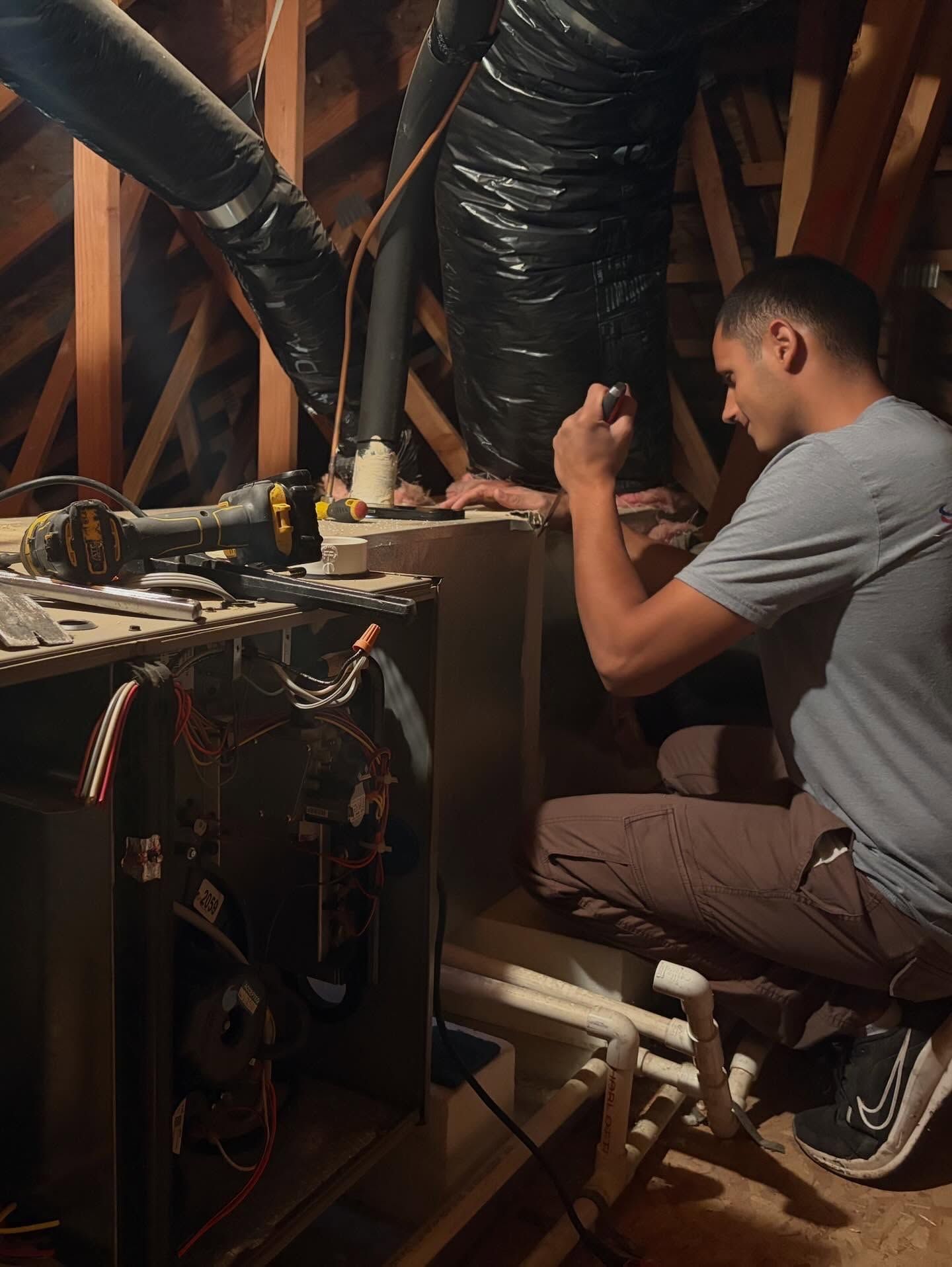
Sacramento-area homes built through the 1970s and 1980s commonly carry their original forced-air heating systems—equipment that is now operating well past the 15-to-20-year service window most manufacturers designed it for. Reliable Cooling & Heating repairs residential and light commercial heating systems across Sacramento, diagnosing no-heat calls, short cycling, and ignition faults that leave properties cold overnight. Because a single degraded component—a flame sensor coated with oxidation, a failed pressure switch, a cracked igniter—can shut down an otherwise functional furnace, pinpointing the actual fault before ordering parts is what separates a lasting fix from a callback.
The diagnostic sequence begins at the thermostat and power supply, then moves through the safety switches before reaching the ignition or burner sequence itself. The technician checks the flame sensor, blower motor, and gas or electrical supply in a structured order so that an upstream fault doesn't get misread as a component failure further down the line. Every repair is quoted before any part is installed, and if the unit is close to the end of its serviceable life, the customer is told plainly rather than presented with a repair bill on a system that will fail again within a season.
Arrange a diagnostic visit with Reliable Cooling & Heating to identify exactly which component has failed and what the repair involves before any work begins.
How Heating Diagnosis Actually Works
A furnace that won't produce heat is rarely a single-cause problem—the control board, the igniter, the pressure switches, and the blower motor each depend on the one before it completing its step in the startup sequence. When a technician works through that sequence methodically rather than replacing the most commonly failed part first, the repair addresses the actual fault instead of the most probable one. Reliable Cooling & Heating follows this structured approach on every call, which matters particularly in older Sacramento-area homes where multiple components may be worn simultaneously and the apparent symptom can point in the wrong direction.
After the repair is complete, the furnace should complete its startup cycle without lockout, hold a steady flame, and deliver conditioned air through the distribution system without cutting off mid-cycle. Short cycling—where the unit starts and shuts down before reaching temperature—should stop, and the thermostat should read the set temperature within a normal run time. Those are the observable indicators that the diagnosed fault, not a symptom of it, has been corrected.
One decision the technician will communicate clearly is whether repair makes practical sense given the age and condition of the unit. A furnace operating beyond its expected service life with a second major component showing wear presents a different calculation than a newer system with a single failed part—and that assessment is part of what the diagnostic visit covers, not an upsell added afterward.
Answers About How Heating Repairs Are Done
The questions below address how heating repair work is performed and what owners of Sacramento-area homes can expect during the process.
What does a technician check first when a furnace won't turn on?
The diagnostic starts at the thermostat settings and power supply, then moves to the safety switches—including the door interlock and pressure switches—before the ignition sequence is evaluated. This order prevents a tripped safety device from being misread as an igniter or burner failure.
How does a flame sensor cause a furnace to shut off immediately after starting?
A flame sensor coated with oxidation or carbon buildup cannot confirm to the control board that a stable flame is present, so the board shuts off the gas supply within seconds as a safety measure. Cleaning or replacing the sensor restores that signal and allows the startup sequence to complete normally.
What is short cycling and what typically causes it in residential furnaces?
Short cycling is when the furnace starts, runs briefly, and shuts down before the thermostat reaches the set temperature, then repeats the cycle. Common causes include an overheating heat exchanger due to restricted airflow, a failing pressure switch, or a control board that is triggering a fault lockout.
How does the age of a furnace in an older Sacramento home affect the repair approach?
Many homes in established Sacramento neighborhoods are running heating equipment installed in the 1980s or 1990s, and parts for those units may require sourcing from specialty suppliers rather than standard stock. The technician will confirm parts availability before quoting the repair and will note if the unit's age makes replacement a more practical path than continued repair.
What should you see and hear once a heating repair is finished correctly?
The furnace should complete its full startup sequence without fault lockout, sustain a steady burner flame, and run until the thermostat is satisfied before shutting off cleanly. Any rattling, short shutoffs, or error codes that were present before the repair should be gone.
Reliable Cooling & Heating is available 24 hours a day by phone at (916) 664-6888 for urgent no-heat situations, and the same diagnostic process applies whether the call comes in the evening or mid-morning. Reliable Cooling & Heating also performs heating repair in Roseville, Folsom, Elk Grove, Rancho Cordova, and Davis.