
Sediment and Safety Checks Before the Tank Wears Out
Water Heater Maintenance in Sacramento for tank units accumulating mineral buildup that shortens equipment life
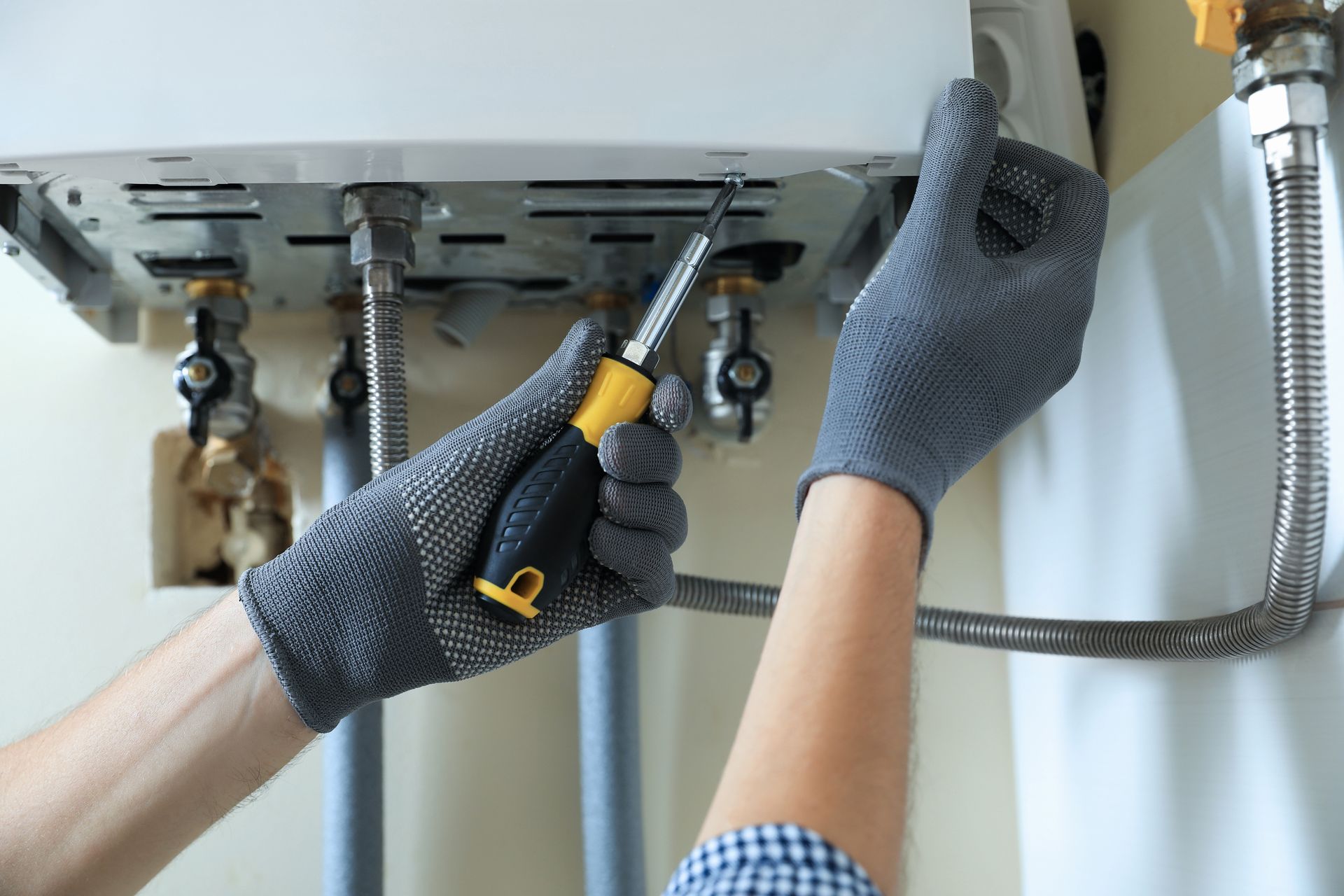
Hard water moving through Sacramento's distribution system deposits dissolved minerals — primarily calcium carbonate — on the interior surfaces of tank water heaters with every cycle. That layer accumulates on the tank floor and around the lower element or burner area, acting as insulation between the heat source and the water above it. The result is a unit that runs longer to reach the set temperature, cycles more frequently, and wears its components faster than a tank with a clean interior. Reliable Cooling & Heating performs water heater maintenance for homes and light commercial properties in Sacramento, including a sediment flush, safety valve check, and burner or element inspection that together extend the functional life of the tank.
The maintenance sequence starts with shutting off power or gas, then draining a portion of the tank — enough to draw sediment from the bottom without a full drain that extends the visit unnecessarily. The technician inspects the anode rod or sacrificial components where access allows, checks the temperature and pressure relief valve to confirm it opens and reseats cleanly, and then confirms burner or element performance before restoring service. Rancho Cordova and West Sacramento properties on older distribution lines tend to see accelerated sediment accumulation compared to newer construction on updated supply infrastructure.
Set up a maintenance visit for your water heater before sediment buildup reaches the point where it affects recovery time or element life.
What the Maintenance Visit Actually Accomplishes
Flushing sediment is the most visible part of the visit, but the anode rod inspection matters as much for long-term tank life. The anode rod is a sacrificial magnesium or aluminum core that corrodes preferentially to protect the steel tank lining — when it's depleted, the tank itself begins to corrode from the inside. Checking it during a maintenance visit identifies whether it has enough material remaining to continue doing its job or whether it needs replacement before the tank lining is exposed. Not every tank configuration allows easy anode access, and the technician notes that condition in the service record rather than skipping the check.
After the visit, you'll notice the unit reaches the set temperature in less time and the burner or element cycles less frequently under the same household demand. Water clarity at the hot tap often improves as well — sediment particles that were disturbed by the tank's circulation pattern during operation are no longer present once the bottom of the tank is cleared. Reliable Cooling & Heating documents the condition of each component so you have a service history if the unit develops a fault later.
The T&P relief valve check is a safety step, not an optional add-on. A valve that fails to open under excess pressure or that weeps at normal operating pressure is a liability regardless of how well the rest of the tank performs, and replacing it during a scheduled maintenance visit costs far less than addressing a failed valve as an emergency.
Questions Before Starting Your Water Heater Maintenance
The questions below cover what happens during a maintenance visit and what you can expect to see before and after the work is done — including factors specific to older Sacramento-area tanks.
How does the technician remove sediment without draining the entire tank?
A partial drain draws water from the drain valve at the base of the tank — where sediment settles — until the discharge runs clear, removing the accumulated mineral layer without the time and water use of a complete drain-and-refill cycle.
What does the anode rod inspection involve and why does it matter?
The technician removes and examines the rod where access allows, checking for significant depletion — a rod reduced to a thin core or a steel wire provides almost no protection to the tank lining, and replacing it at that point costs less than dealing with internal corrosion later.
How does hard water in Sacramento specifically affect how often maintenance should be performed?
Mineral content in the water supply directly determines how fast sediment accumulates on the tank floor and heating surfaces — properties on older distribution lines or in areas with historically high mineral load benefit from annual service rather than the two-year interval that might be appropriate for softer water supplies.
What is the technician confirming when the T&P relief valve is tested?
The valve must open when the test lever is lifted and reseat cleanly when released — a valve that doesn't open indicates a failed seat, and one that drips after testing has a worn seal, either of which warrants immediate replacement as a safety item.
How do you know the maintenance visit improved the unit's performance?
Recovery time — how long it takes the tank to return to the set temperature after a draw — shortens when sediment is removed, and the burner or element cycles less frequently under the same household demand, both of which are observable without any measuring equipment.
Reliable Cooling & Heating maintains water heaters for Sacramento homeowners and light commercial operators with a documented service visit that covers sediment, safety valves, and burner or element condition. Reliable Cooling & Heating also provides water heater maintenance in Folsom, Roseville, Elk Grove, Rancho Cordova and Davis. Call (916) 664-6888 to schedule your tank's maintenance visit.